Rachel Warner
The CageRachel Warner is Keith Warner’s wife and, for much of the story, a person trying to make sense of the widening distance between them. Her suspicion develops through small, domestic clues: his unexplained absences, his anger when she asks about his mother’s house, and dates in the news that coincide with nights he went out. Rather than keeping those doubts private, she eventually contacts the missing persons hotline under a false name and gives police the address of the property Keith refuses to open to her.
Identity and First Appearance
Rachel first appears watching television coverage of the missing Briggs twins. She responds with condemnation of the children’s mother and assumptions about neglect and exploitation, treating the family’s circumstances as evidence of moral failure. She also criticizes the twins’ names. The scene establishes her as judgmental, but it also shows how readily she absorbs the fears and stereotypes circulating around the case.
Her husband, Keith, barely engages with her. While Rachel speaks, he concentrates on a newspaper puzzle or his phone, and she experiences his attention as something continually directed elsewhere. When he finally tells her to stop, she falls silent: she has seen his look before and knows that his quiet manner can conceal a temper. Their silence after the exchange makes the imbalance between them plain. Rachel can challenge him, but she has learned to measure when it is safe to continue.
Marriage and Growing Suspicion
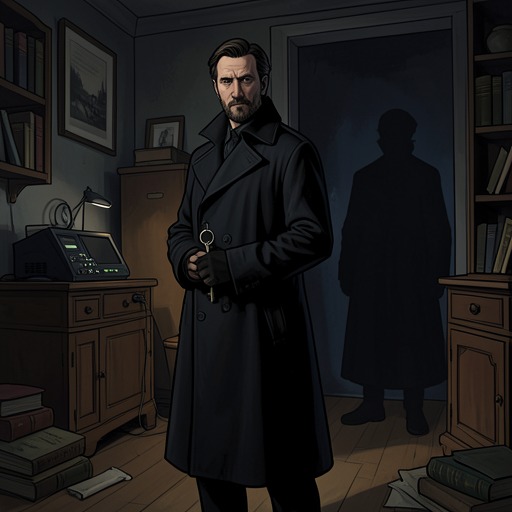
The marriage has changed over the preceding ten years. Rachel recognizes that she has become more judgmental, while describing Keith as increasingly secretive and aggressive; she says she hardly recognizes either of them now. Their arguments and his departures have become familiar features of their life together. After one row, Keith leaves by slamming the front door, and Rachel wonders whether he has manufactured the disagreement as an excuse to go out. He is often gone for hours, and when he returns he goes into the spare room. She cannot establish what he does there, but the pattern feeds her uncertainty.
The public reports of missing and murdered women turn that uncertainty into a more specific fear. Sitting with tea and biscuits, Rachel studies a newspaper timeline. One abduction occurred on the night of the Warners’ wedding anniversary, which they had not celebrated for several years; Keith had gone out that night. She checks other dates and thinks they may coincide with his absences too. Her first response is disbelief: she tells herself it must be coincidence. The important change is not that she has proof, but that she can no longer keep her suspicions separate from the crimes in the news.
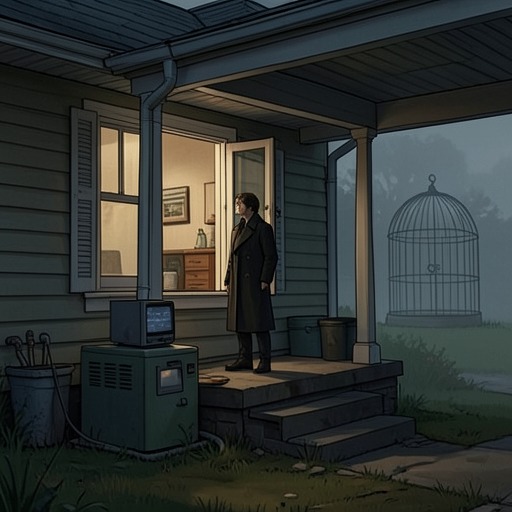
The house belonging to Keith’s late mother becomes the clearest focus of her doubts. Rachel had once held a key and regularly helped the older woman with shopping and cleaning. After his mother died, Keith changed the locks. Rachel offers to take a key and maintain the house, but he refuses, insisting that it is his house and that he will deal with it when he is ready. He will neither let Rachel in nor discuss selling it. When she presses him, he ends the conversation and leaves. Rachel’s question about what he might be hiding there becomes part of a broader question about the life Keith leads beyond her view.
From Doubt to the Hotline
Rachel learns about the missing persons hotline during a conversation with her neighbour Carole Hunt. Carole says she has reported a man she considers suspicious and explains that callers’ identities are kept confidential. Rachel asks whether the person reported is told who made the call. The assurance that a caller will not be identified gives her a practical way to act without confronting Keith directly or exposing herself to his immediate response.
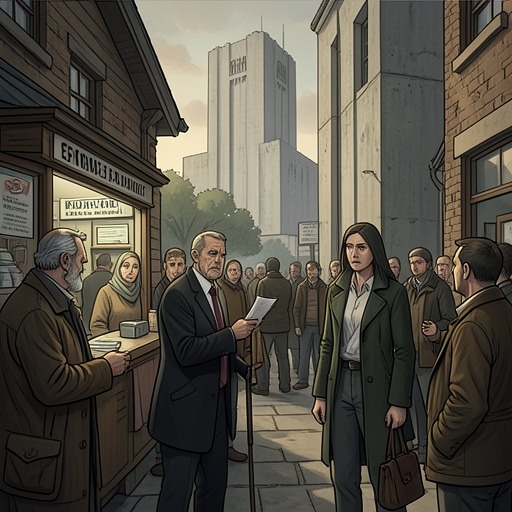
When Rachel finally calls, she uses a phone box because she wants to be cautious. At first she cannot speak. The operator reassures her about confidentiality and asks what name to use; Rachel gives the alias Raquel. She then says she believes she knows who The Phantom is. The false name marks the distance she still needs between herself and the allegation, while making clear that her decision to call is deliberate rather than an accidental disclosure.
Disclosure and Consequences
When Eve Strong and Paul Forrester visit the Warner household, Rachel initially does not know why the police have come. She mentions that officers searched the house the previous day and that she was shown paperwork authorizing it, but says no one explained what Keith had been reported for. Her beige clothing and beige surroundings make her seem, at first, an unremarkable presence in a carefully muted domestic setting. Eve’s questions soon connect that visit to Rachel’s anonymous call.
Rachel confirms that she contacted the hotline as Raquel. Once she begins explaining, she describes the history of Keith’s mother’s house: she had helped care for it, Keith changed the locks after his mother’s death, and he now refuses to give her a key or let her help prepare it for sale. Rachel says the house had been left to both of them, although Keith insists it belongs to him alone. She does not claim to know what he does there; her suspicion rests on his secrecy and refusal to let her enter. Eve thanks her for speaking and asks for the address. By the time Paul returns with tea and biscuits, Eve is arranging a search warrant for the property.
Narrative Role
Rachel’s importance lies in the movement from passive unease to consequential action. At first, she is shown judging other people’s lives from the television and then yielding to Keith’s displeasure at home. The contrast sharpens as the investigation enters her own marriage: the crimes she had viewed at a distance begin to intersect with his absences, the anniversary date, and the locked house. Her suspicions remain circumstantial from her perspective, but she acts on them by using the confidential hotline and then giving Eve the information needed to locate the property.
Her disclosure does not resolve the mystery by itself, and Rachel is not presented as having witnessed Keith’s actions at the house. Instead, the story makes her account a bridge between domestic details that might otherwise remain private and the police inquiry. The key she no longer has, the house she cannot enter, and the dates she checks in the newspaper all acquire investigative significance once she speaks. The available account ends with Eve arranging the warrant, leaving Rachel’s report as the step that brings the property within the investigation.